Pandora's Eye
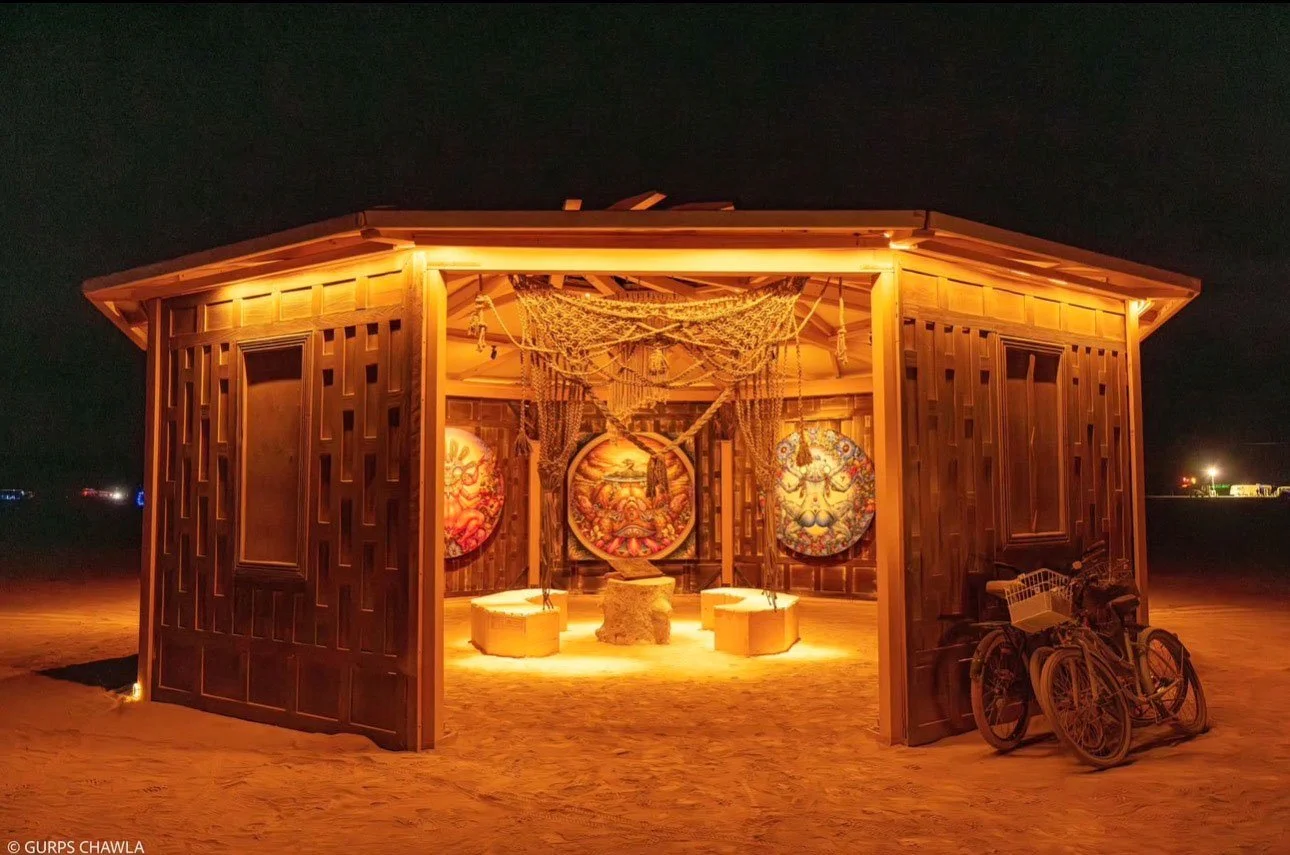
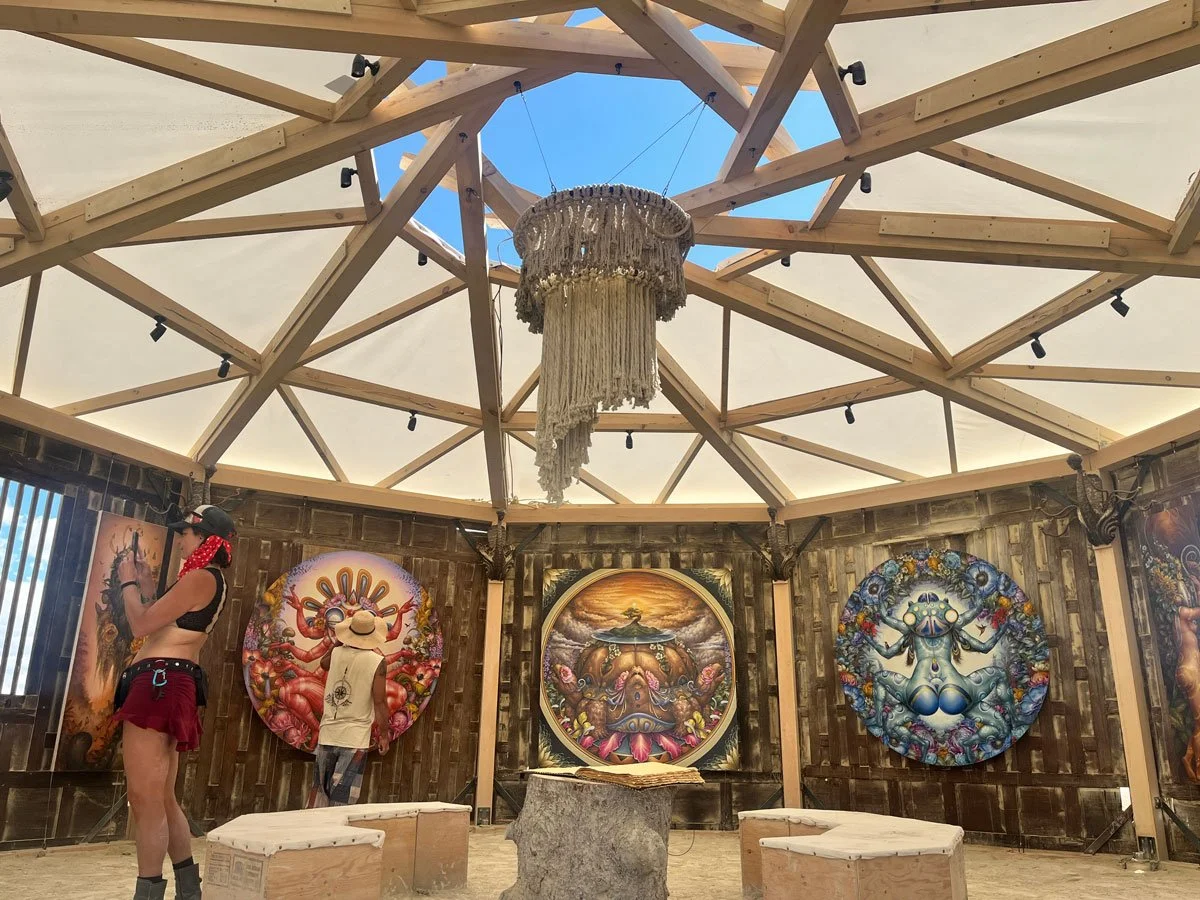
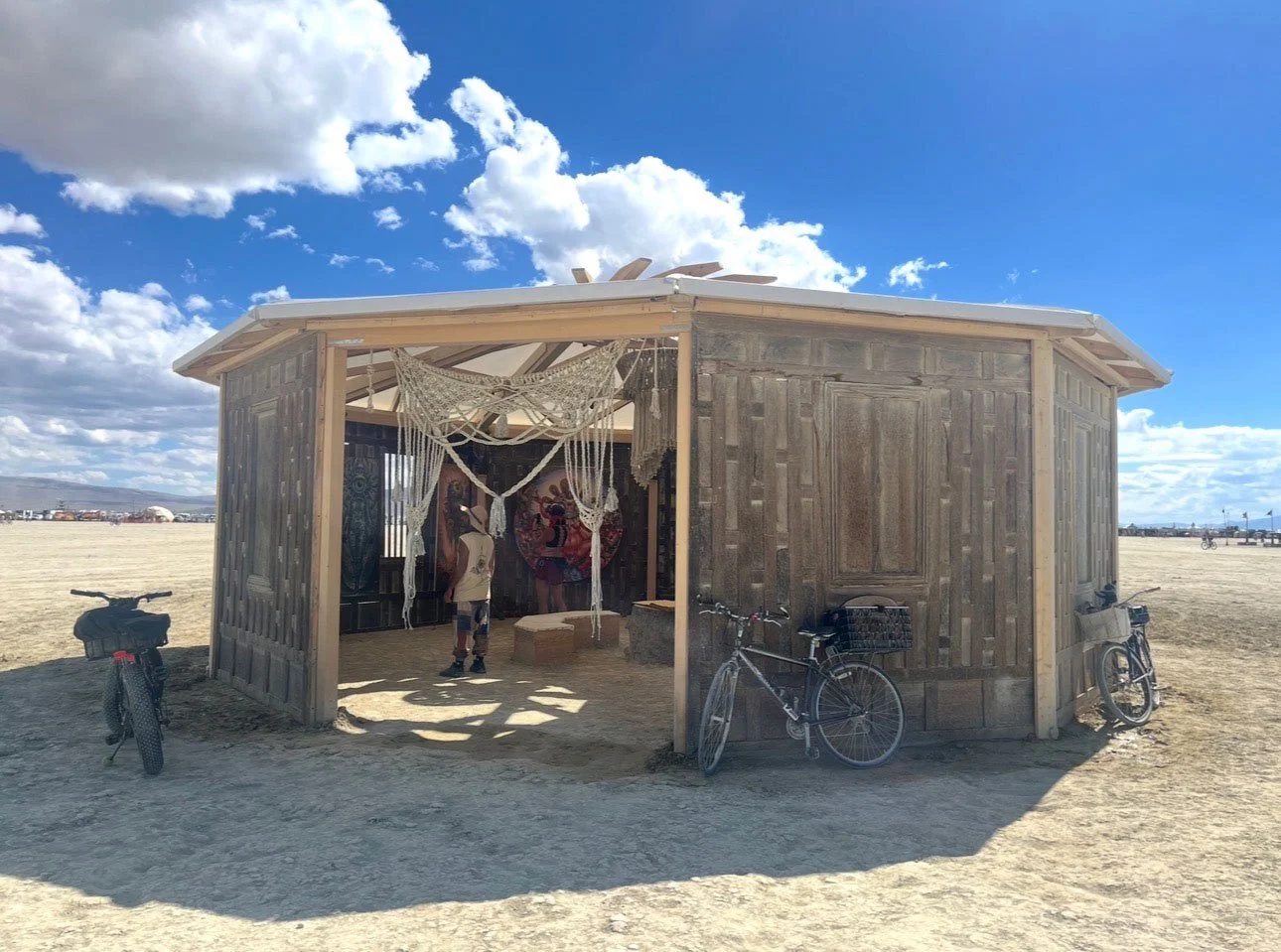
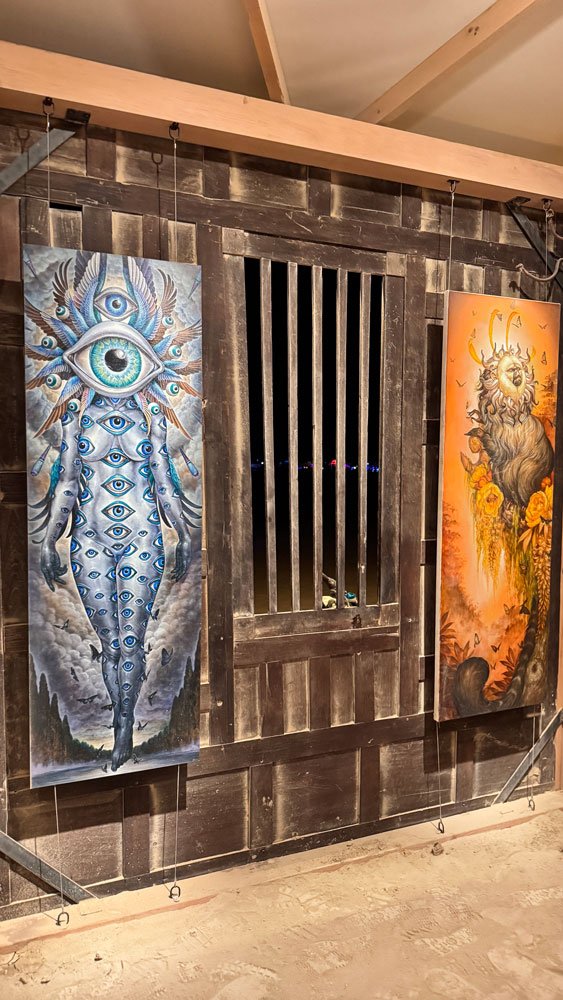
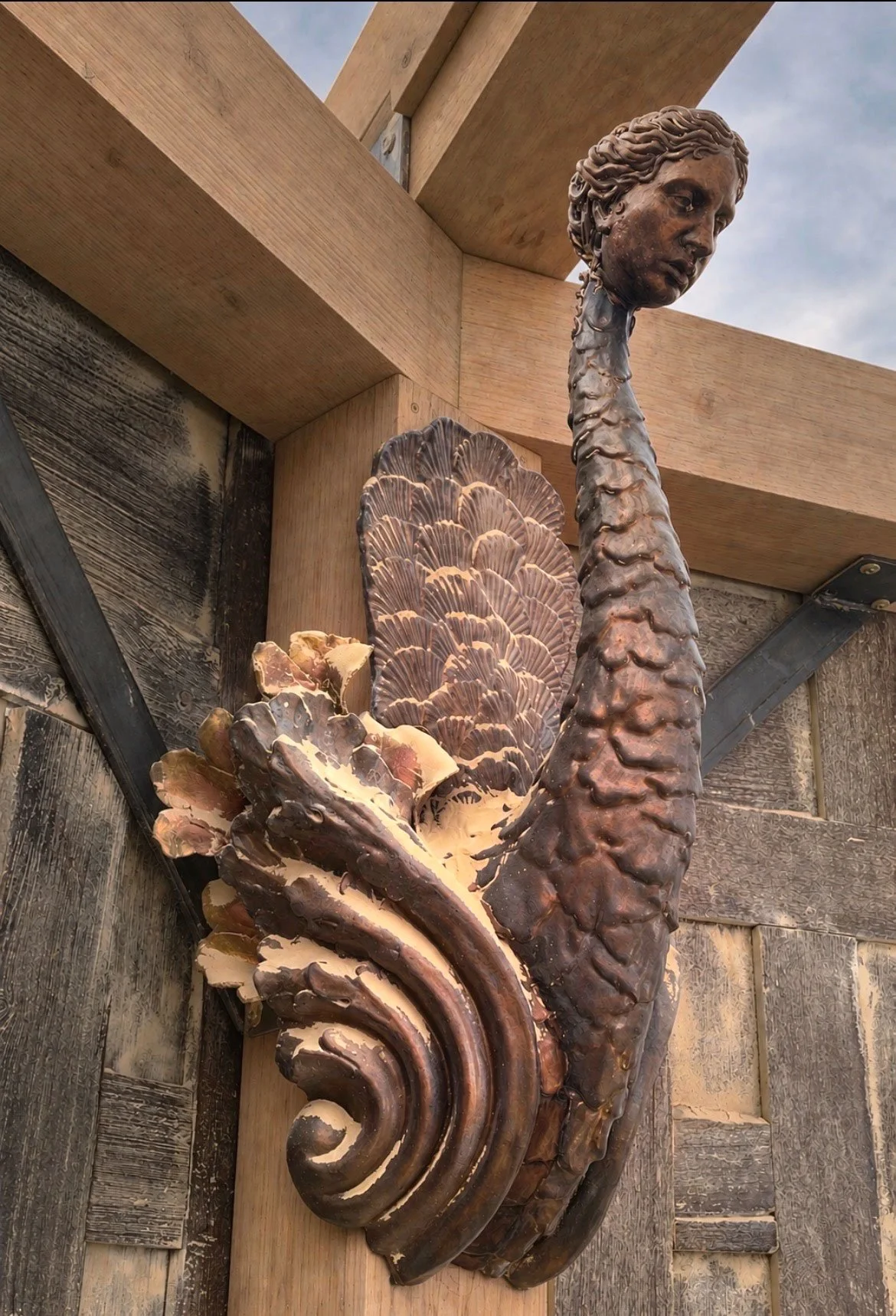
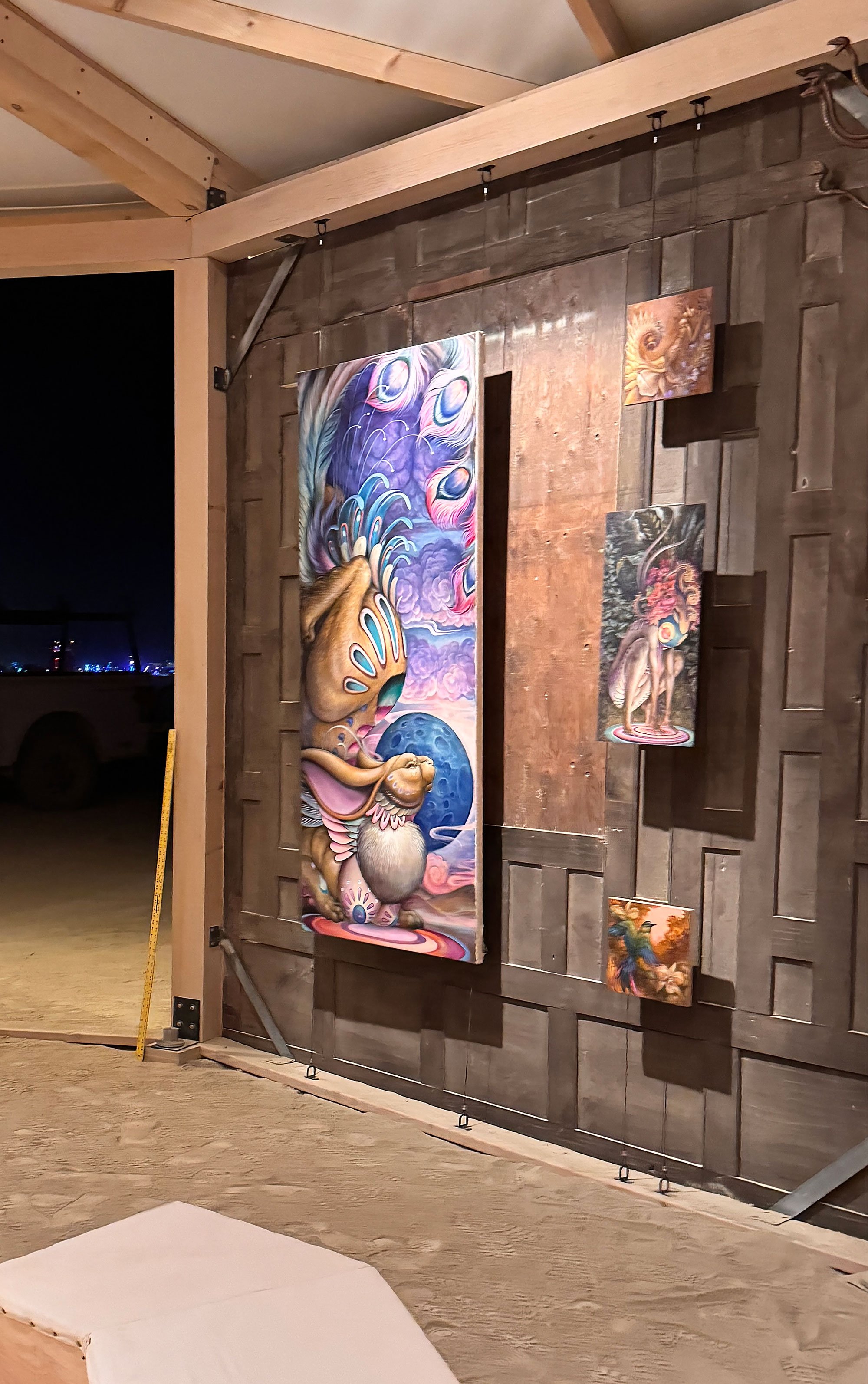
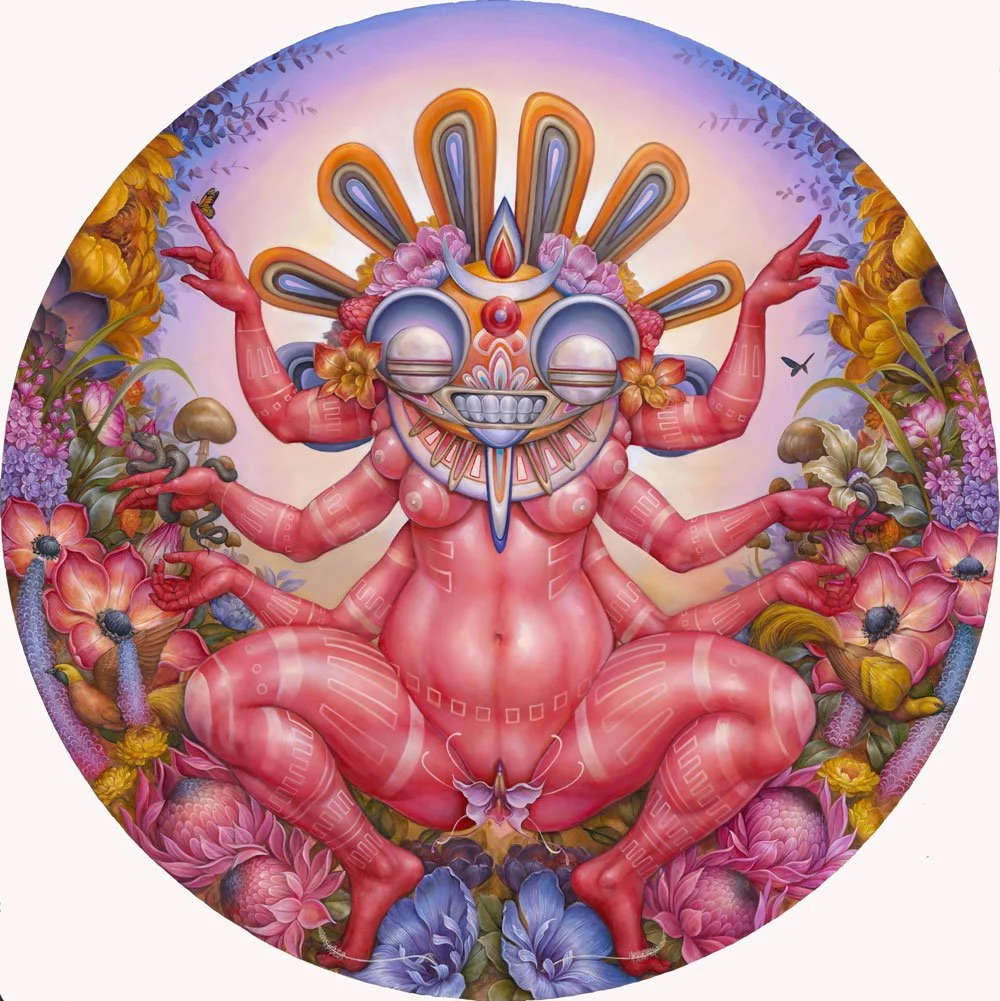
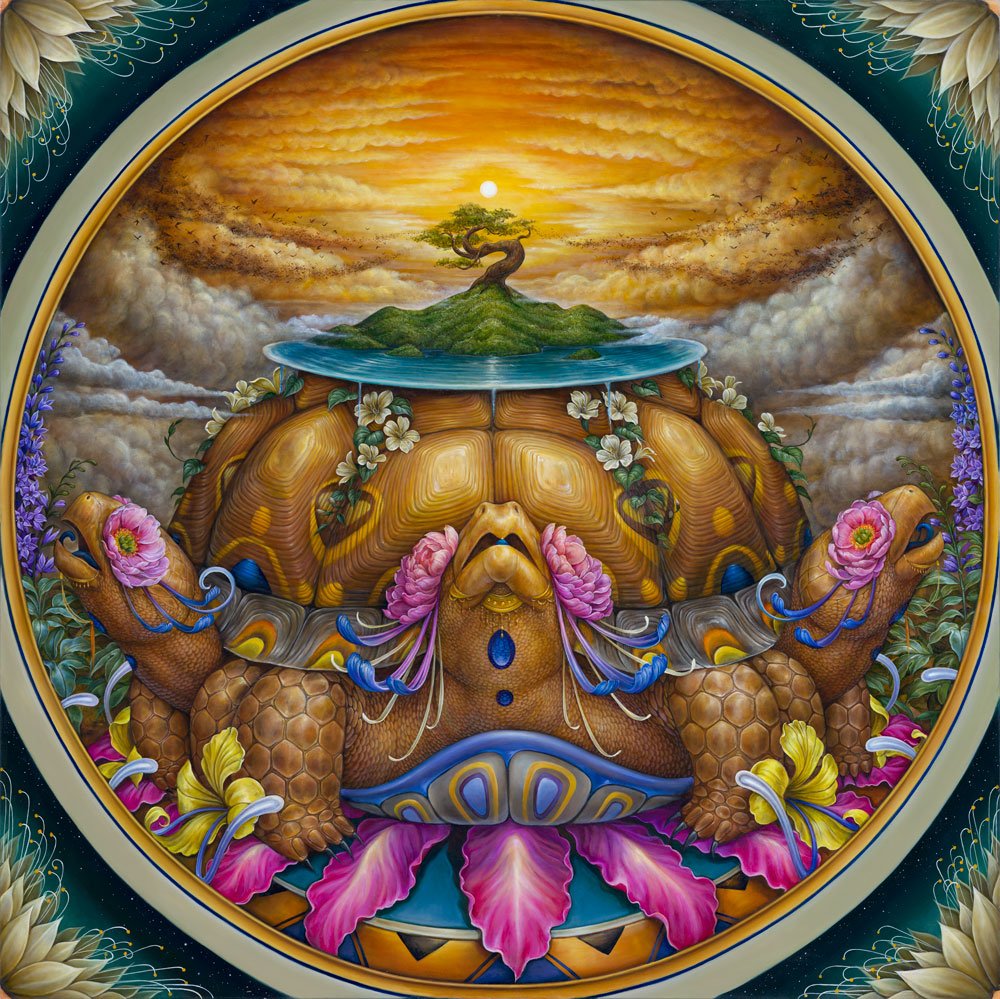
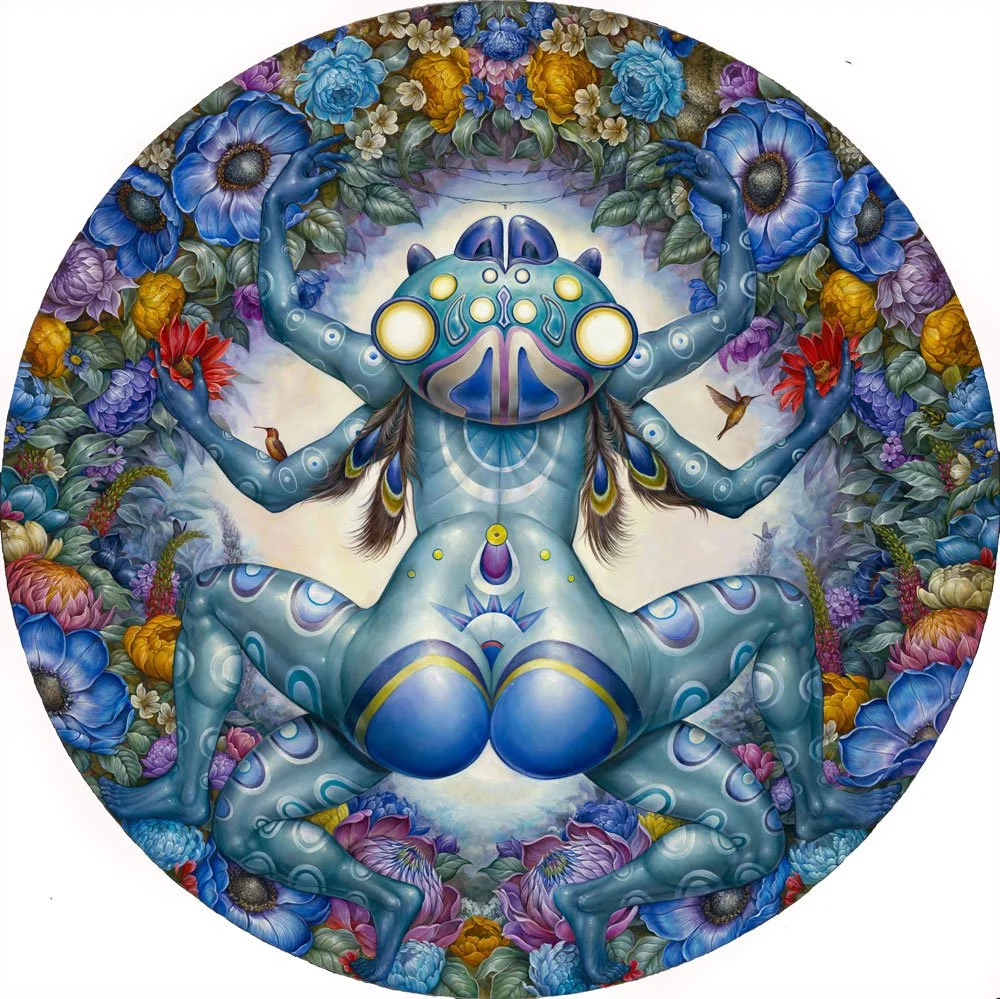
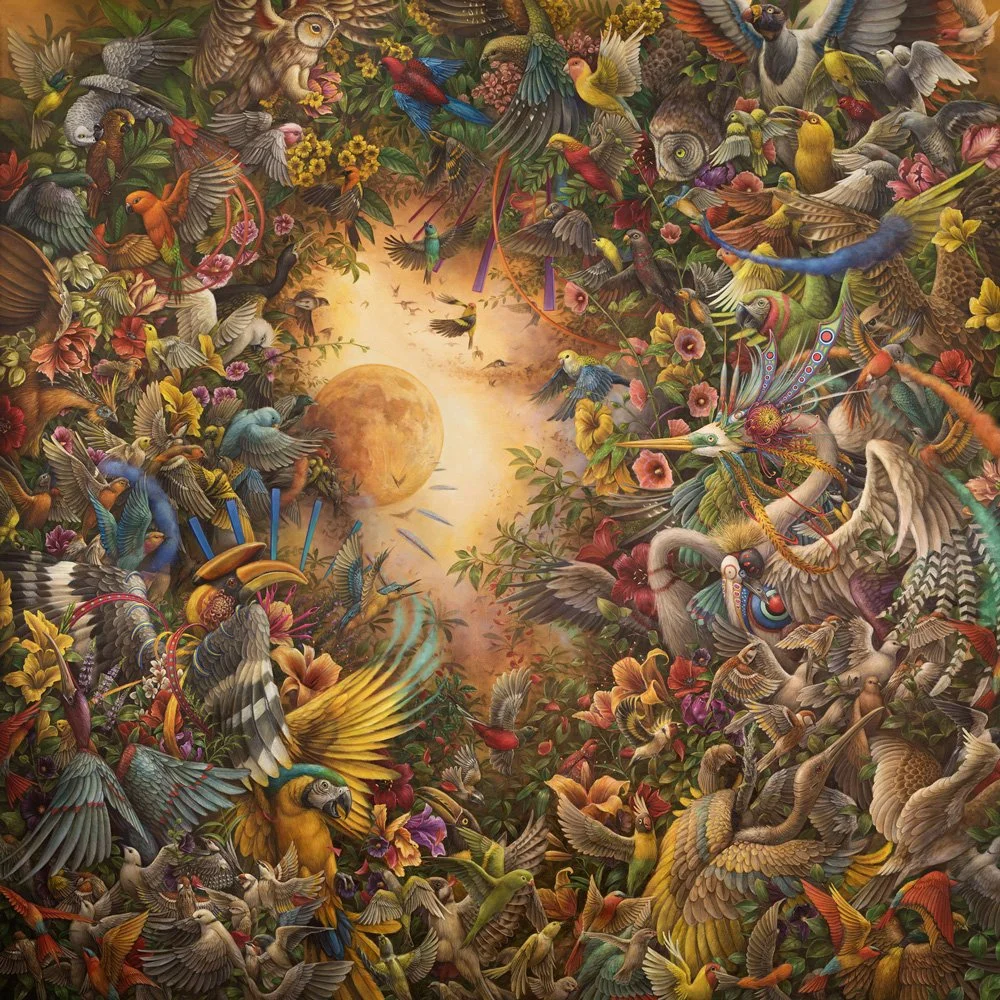
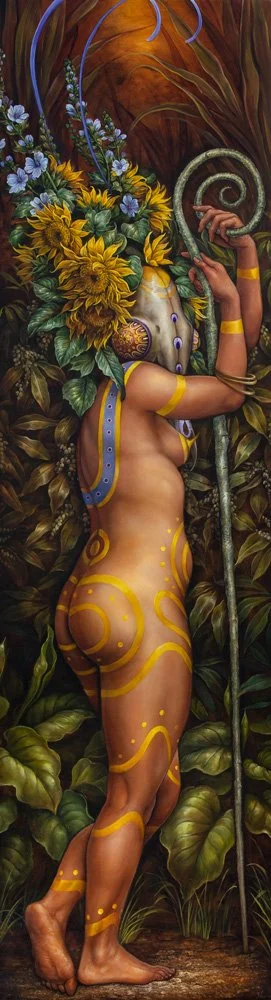
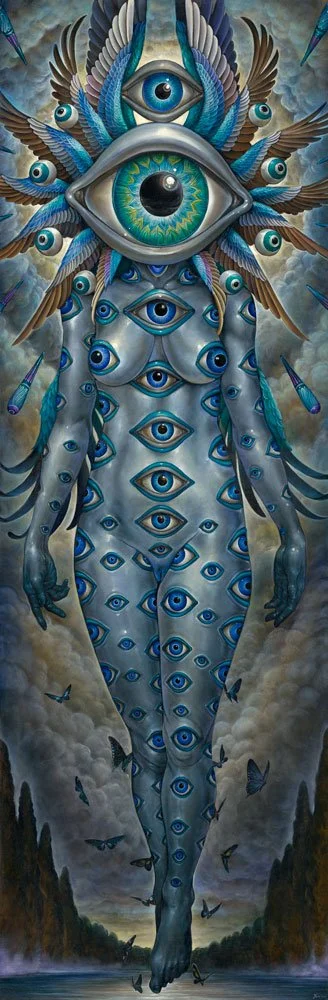
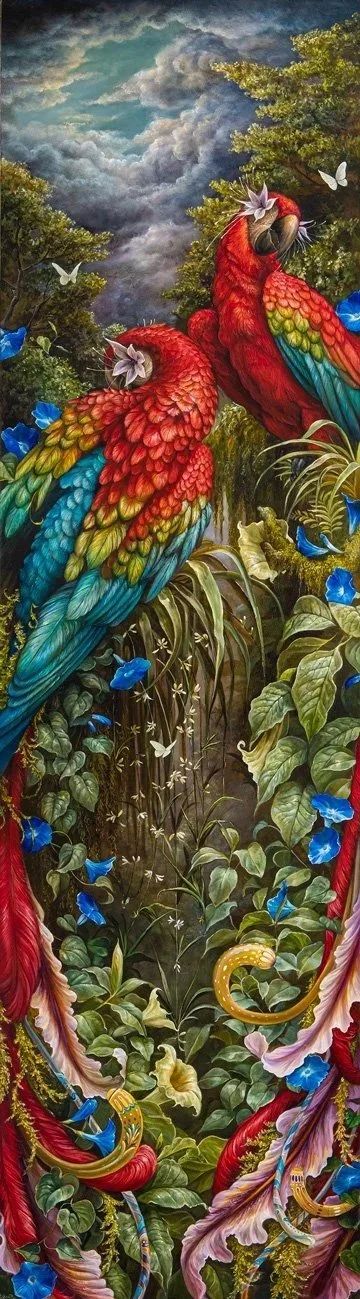
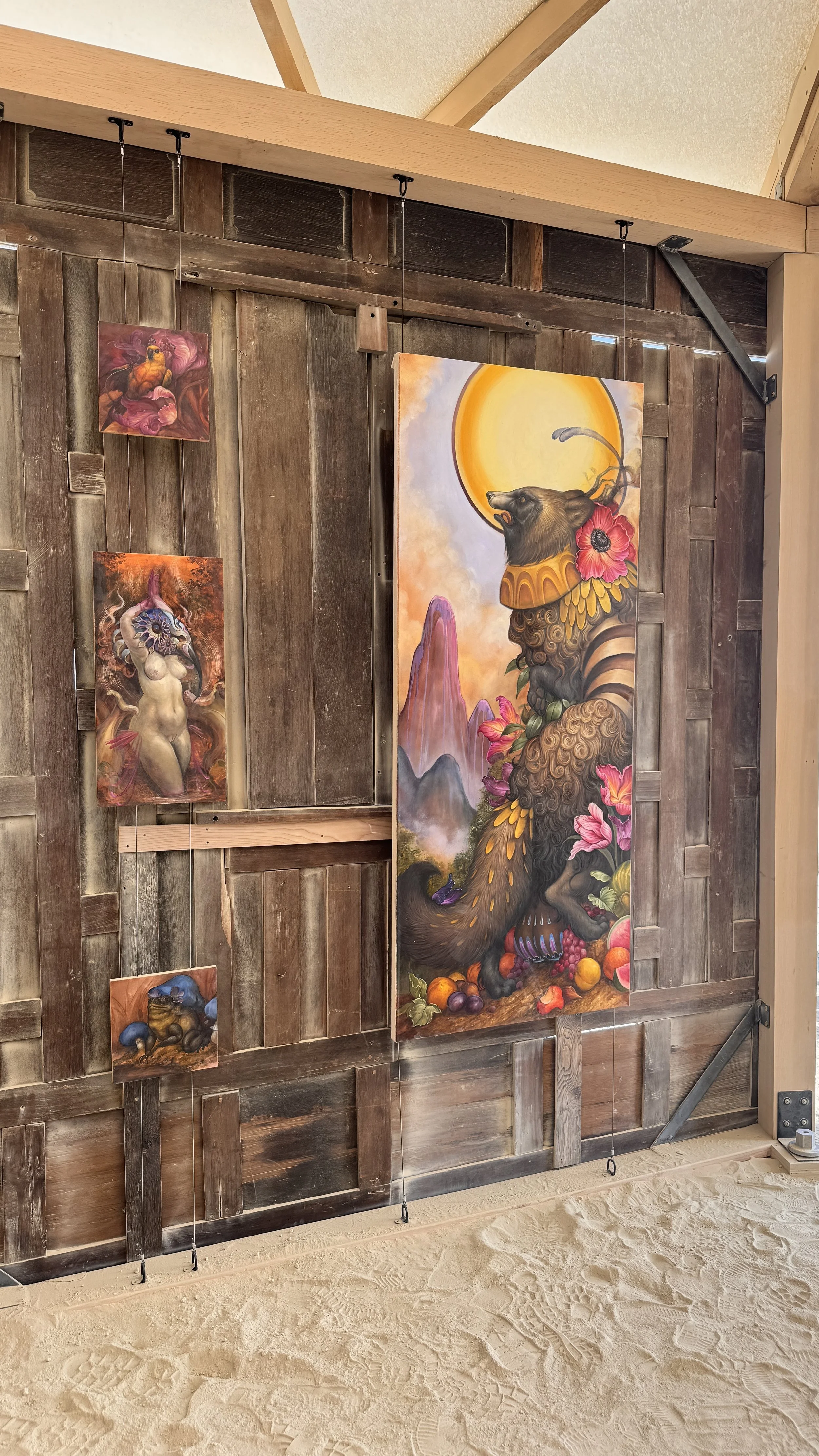
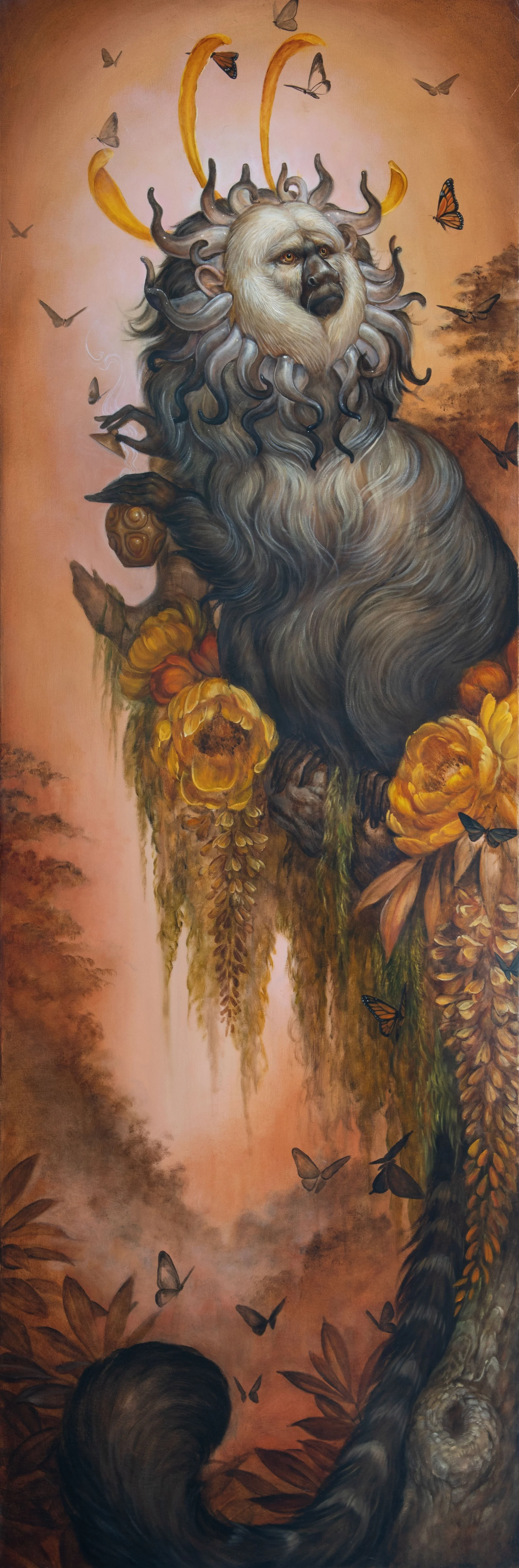
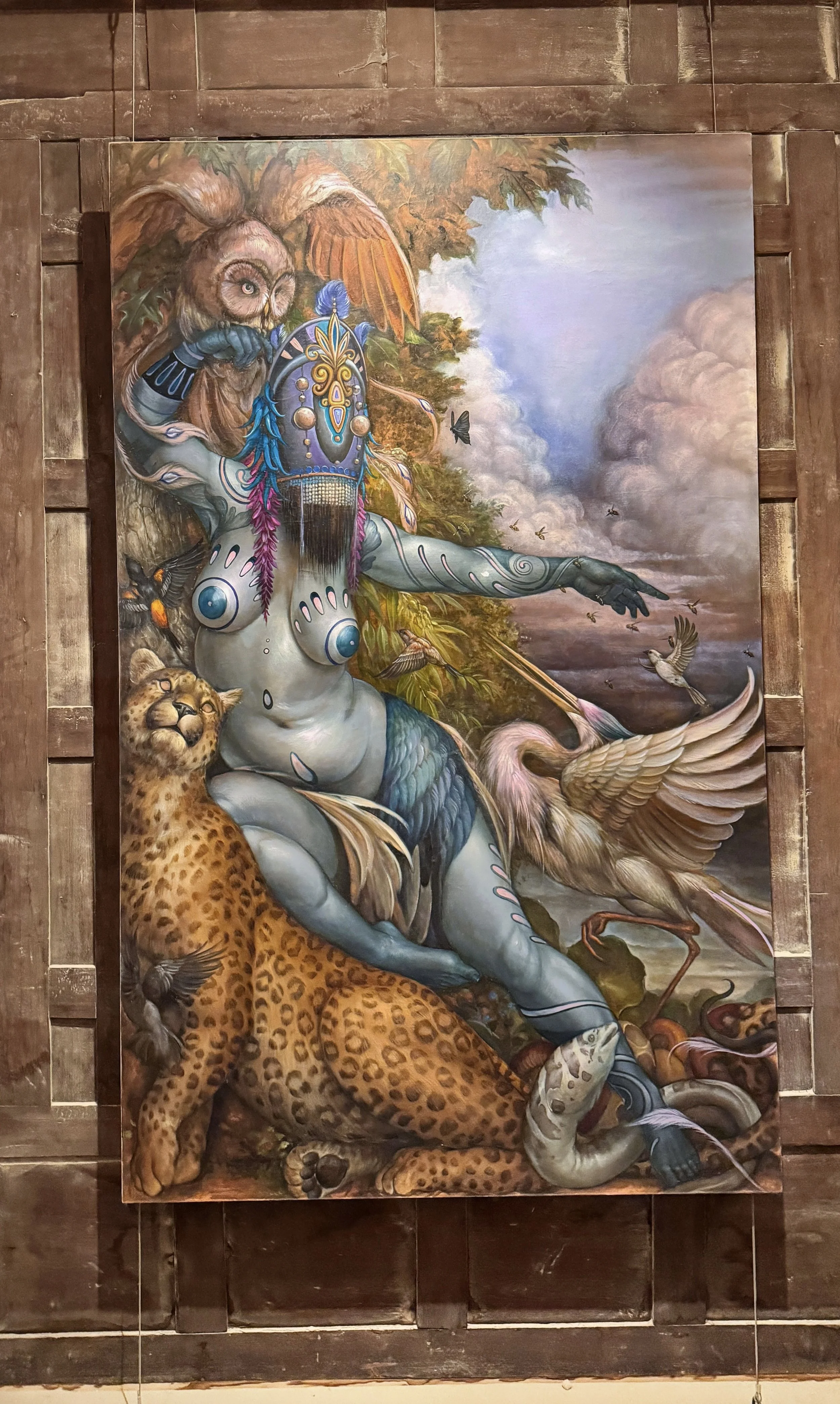
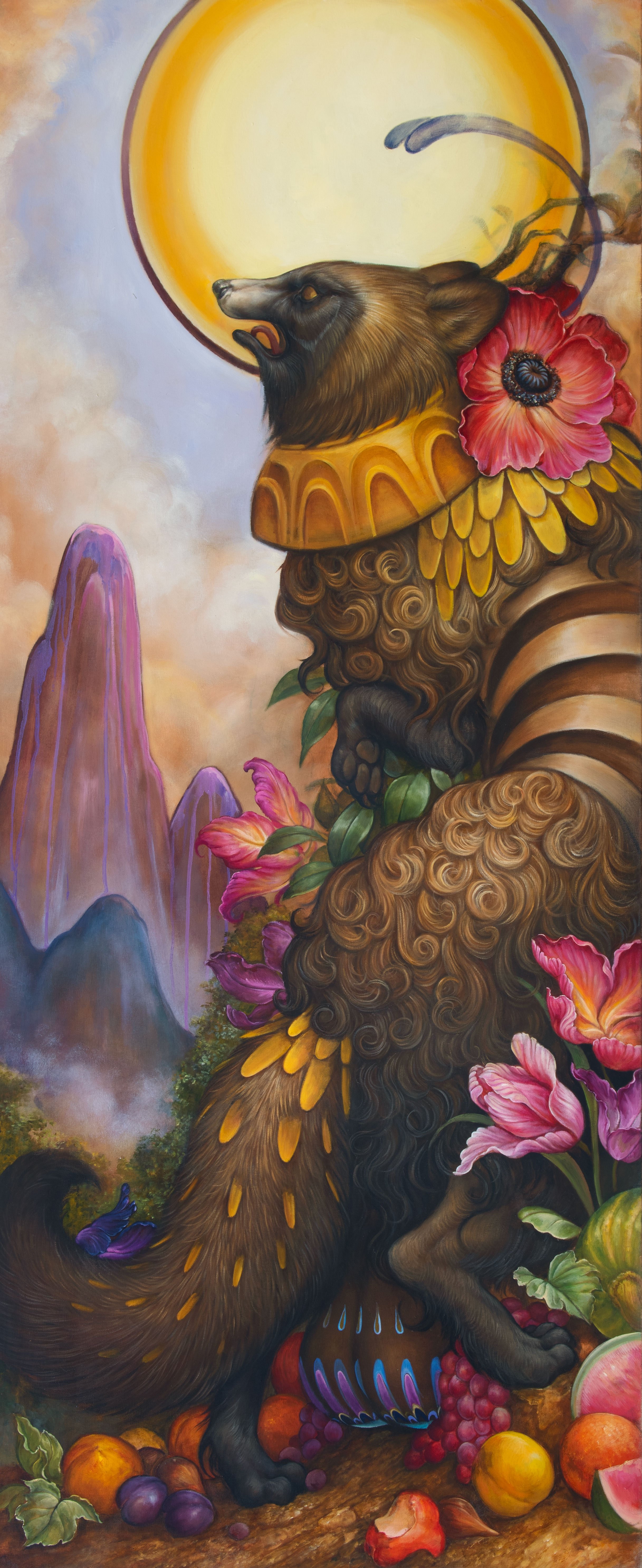
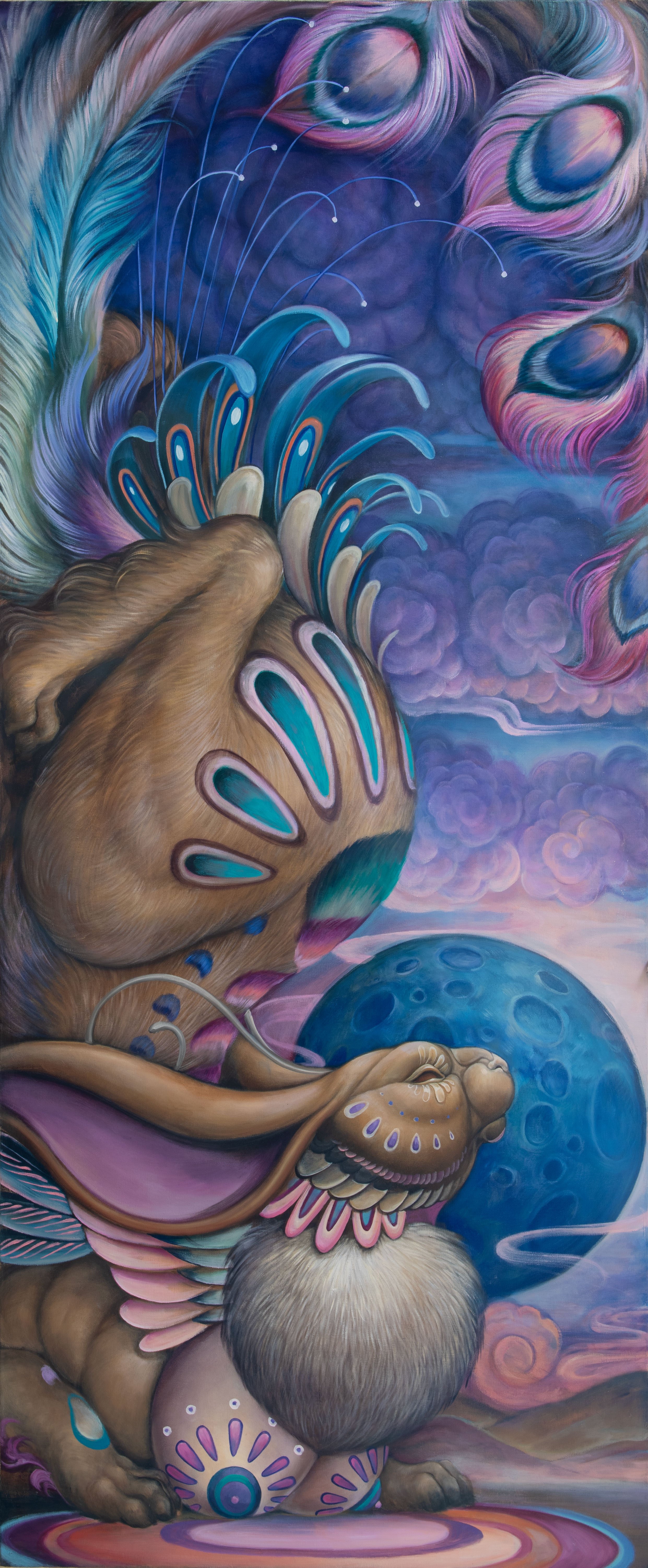
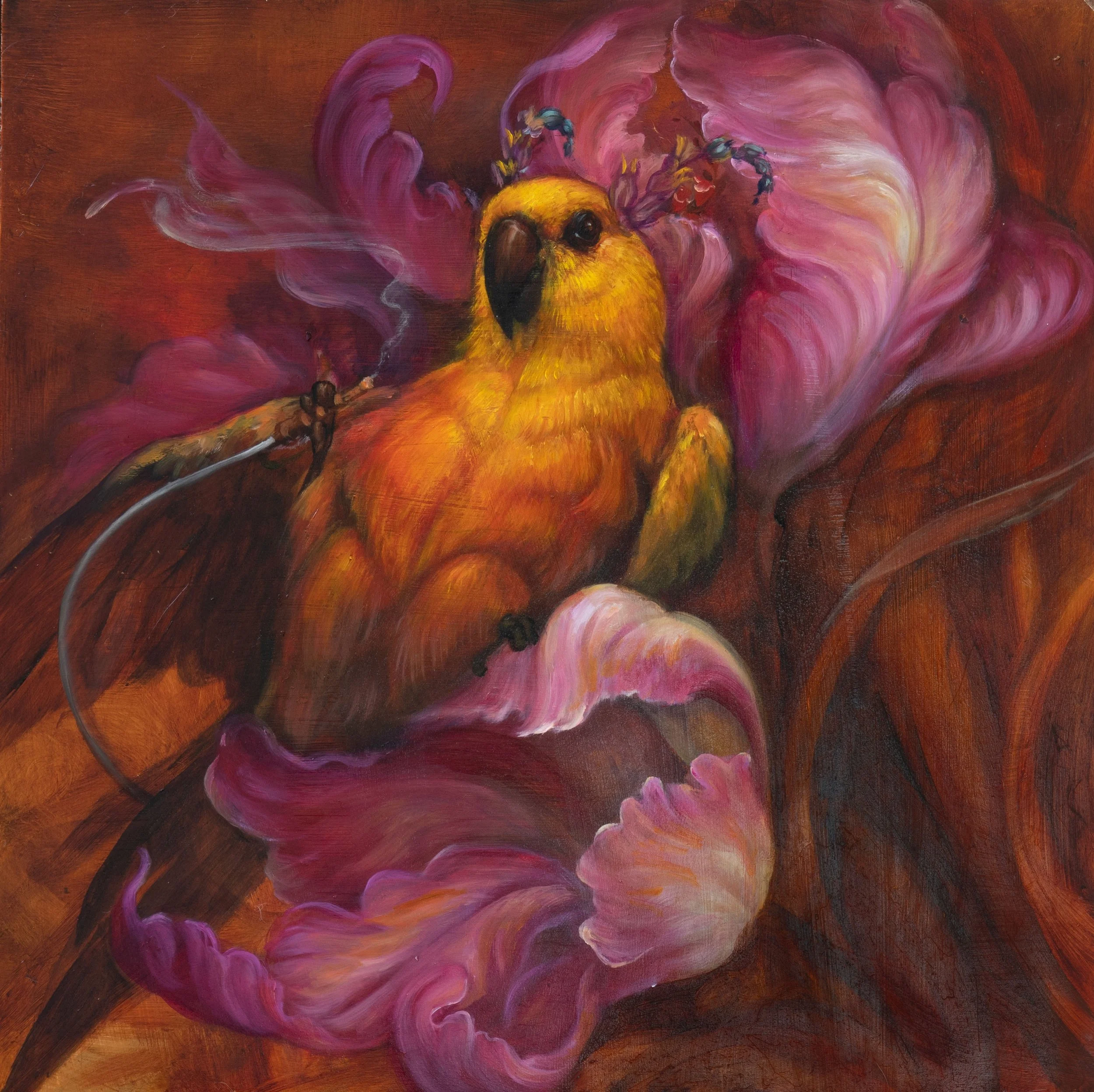
Pandora’s Eye is a large-scale immersive installation created for Burning Man 2026 as an Honoraria project for the theme Axis Mundi. Conceived as a sanctuary in the desert, the work brings together painting, sculpture, woodworking, and fiber art to explore the interconnectedness of nature, consciousness, and the sacred- inviting viewers to imagine the world not as inert matter, but as something alive.
The project reimagines the myth of Pandora, asking what if the opening of the vessel was not a fall into catastrophe, but an act of creation itself- a bursting forth of consciousness, beauty, darkness, complexity, and wonder. Within the sanctuary, mythological imagery from across cultures becomes part of a new creation story: one in which nature is alive, the feminine is generative, and wonder becomes a way of reconnecting with the living world.
The Reweaving of Pandora
Pandora’s name who means “all-gifted” or “all-giving”- is one of the oldest stories in Western mythology, and like Eve before her, has been cast as the source of human suffering. This a re-telling of her story.
Every civilization carries a creation myth and many of them center on a woman, a vessel, an opening: a moment of rupture where the world spills into being. Pandora is one of these stories, distorted by centuries of retelling twisting it into a cautionary tale about feminine curiousoity and disobedience. Pandora’s Eye reclaims this story.
What if this box was never a container of evils, but a vessel of creation itself? What if what poured out wasn’t catastrophe but consciousness- an explosion of beauty, complexity, darkness, and wonder that makes us fully alive?
Pandora’s name invokes what is not a warning, but an origin: a bloom, a bursting forth, an eruption of creation.
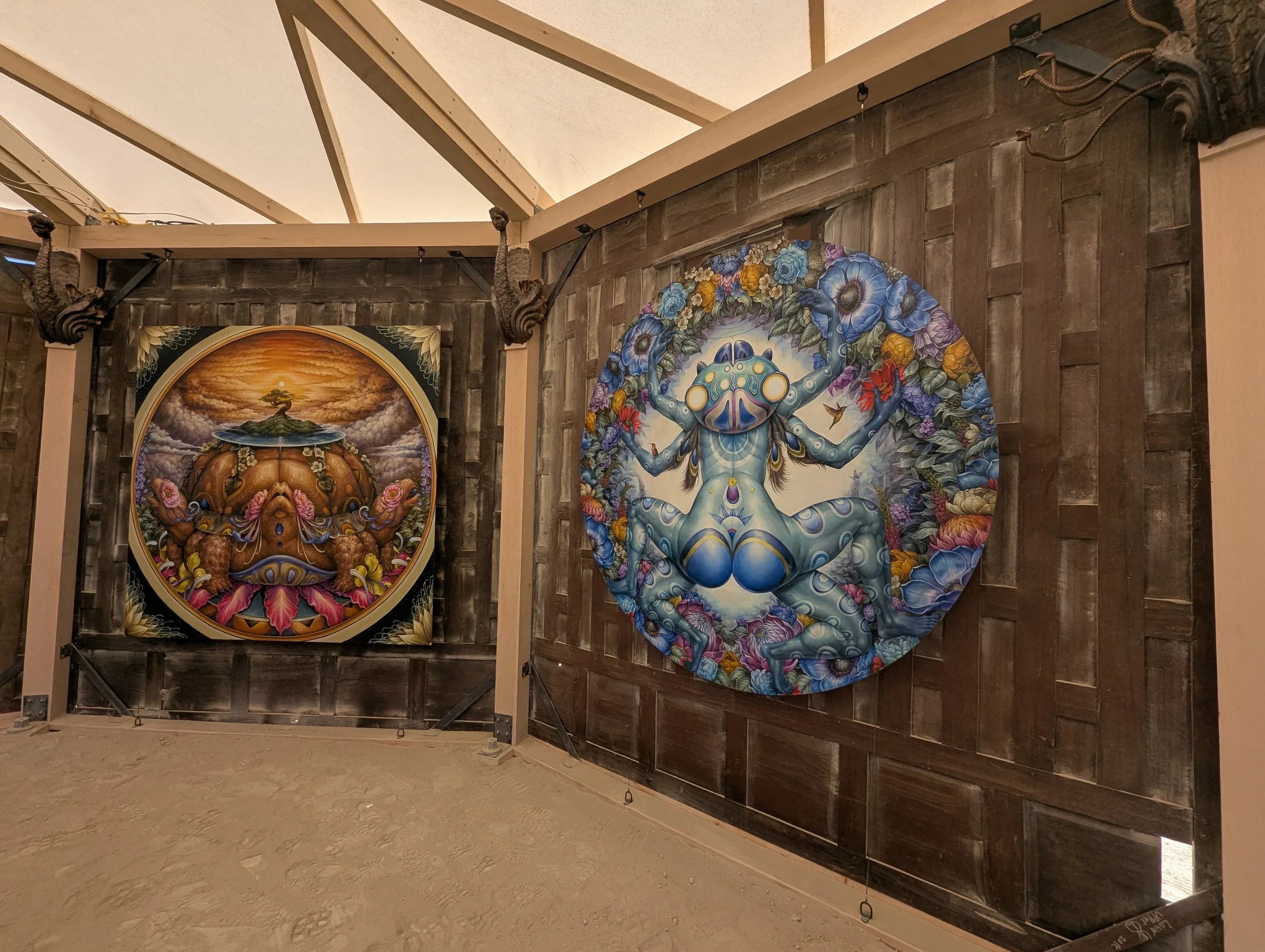
The paintings within the structure draw from mythological stories across cultures and millennia- civilizations that understood the world is alive and with intelligence, and the feminine as a sacred a generative force.
This mythopoetic metamorphosis was most well said by Maria Papaspyrou: “The return to the Divine Feminine is essentially a new mythology for challenging the existing patriarchal structures and for the expansion of our consciousness. It speaks of a change in our attitude toward nature, our planet, and our own bodies. To release the Goddess is to cultivate a relationship to the deep cosmic source of our psychic lives and come to care for all creation (Barings 2013). The Divine Feminine asks us to transcend our divisive ideologies, to hold a responsible presence on this planet, and to foster emotional intelligence for the generations that are to come.”
Myths are not merely stories. They are the architecture of reality. They are the structures through which we understand ourselves, our bodies, and the world we inhabit. If our myths demonize the feminine, cast matter and the body as evil, and frame nature as corrupt, we will cease to care for the living world. The Eye of Pandora proposes a different myth - one in which creation is sacred, the feminine is sovereign, and wonder is the most radical act available to us.
How it started:
For years, Hannah Yata had dreamed of bringing her paintings to Burning Man. But it wasn’t until she met her partner, Joe DiMarco, a woodworker with a deep love for the culture and community of Burning Man, that the idea began to take shape. As their relationship grew, so did their ideas about what they could create together. When Joe came across a collection of 200-year-old Thai temple panels looking for a new home, something clicked. Those old wooden panels would become the walls of a sanctuary filled with Hannah’s large-scale oil paintings. Pandora’s Eye was born.
The idea was to create a space where people could wander in, slow down, and feel a little of the mystery of being alive. The paintings explored creation, the Divine Feminine, and the strange ways we are all connected to the natural world.
For Hannah, there was also something important about taking these paintings out of a gallery and into the desert. Some had taken years to make, and suddenly they would be exposed to dust, wind, heat, and whatever else the playa had in store. It was a strange thing to do with artwork you’ve spent so long trying to perfect and preserve. But that was part of the point. Nothing in life is really protected from change, no matter how much we try to hold on to it. And there was something beautiful about letting the paintings exist in a place where everything, including the sanctuary itself, would eventually disappear.
At a time when the world feels increasingly divided and uncertain, they wanted to make something that brought people back to a sense of wonder. A place to step out of the noise for a little while, look around, and remember what it feels like to be part of something larger than ourselves.
Lead Artists:
Joseph Di Marco (AKA Tanuki) - Woodworking, engineering, lighting
Hannah Yata- Paintings
Leigh Kaplan- Ceramic sculptures
Katie Kaplowitz- Macrame sculpture
For available paintings and prices contact:
hannah.yata(at)gmail.com